Things Have Gotten a Little Hairy with Winston
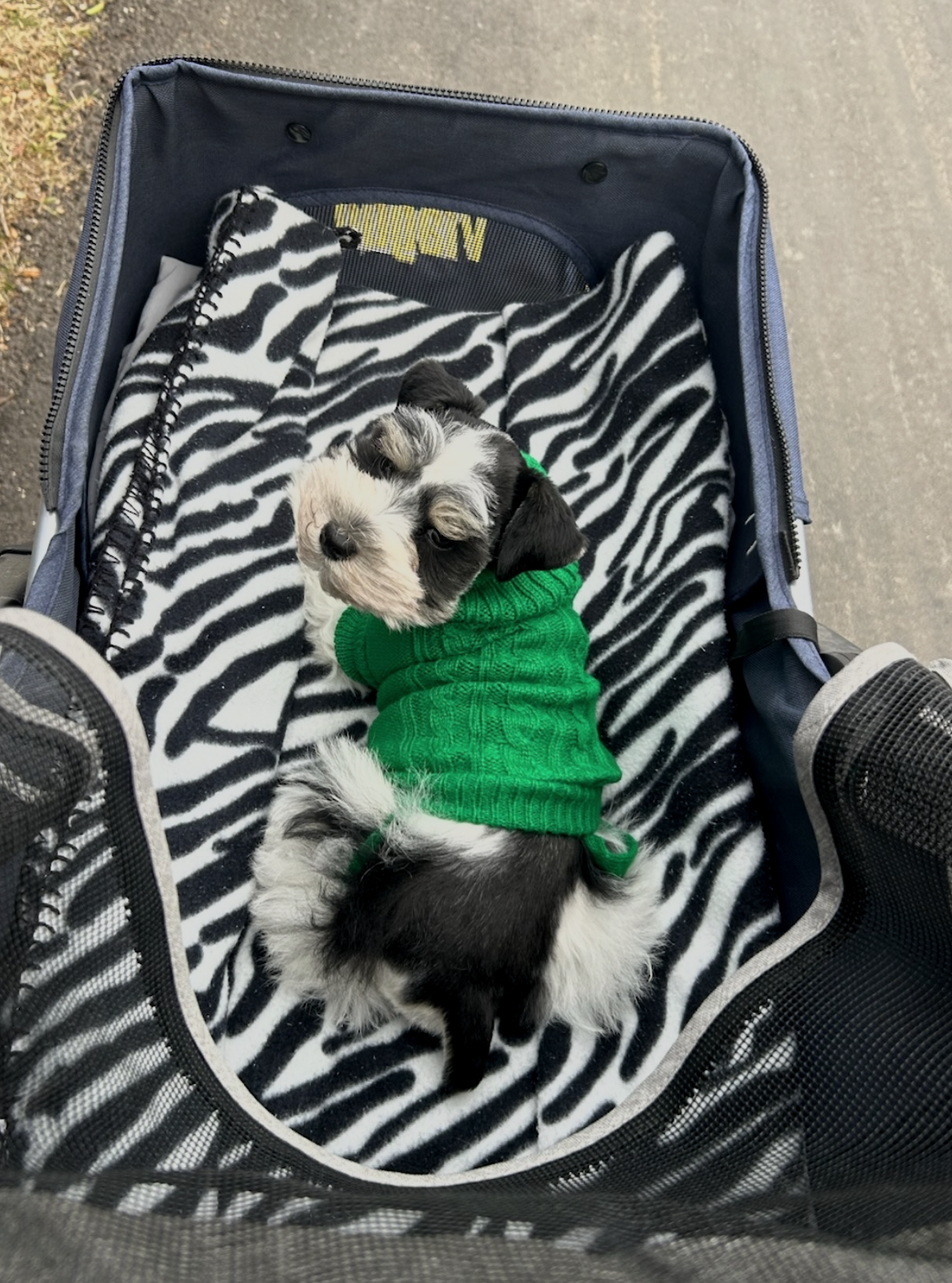
Earlier this year, an eight-week-old ball of Schnauzer energy arrived at our door, and I'm still trying to keep up.
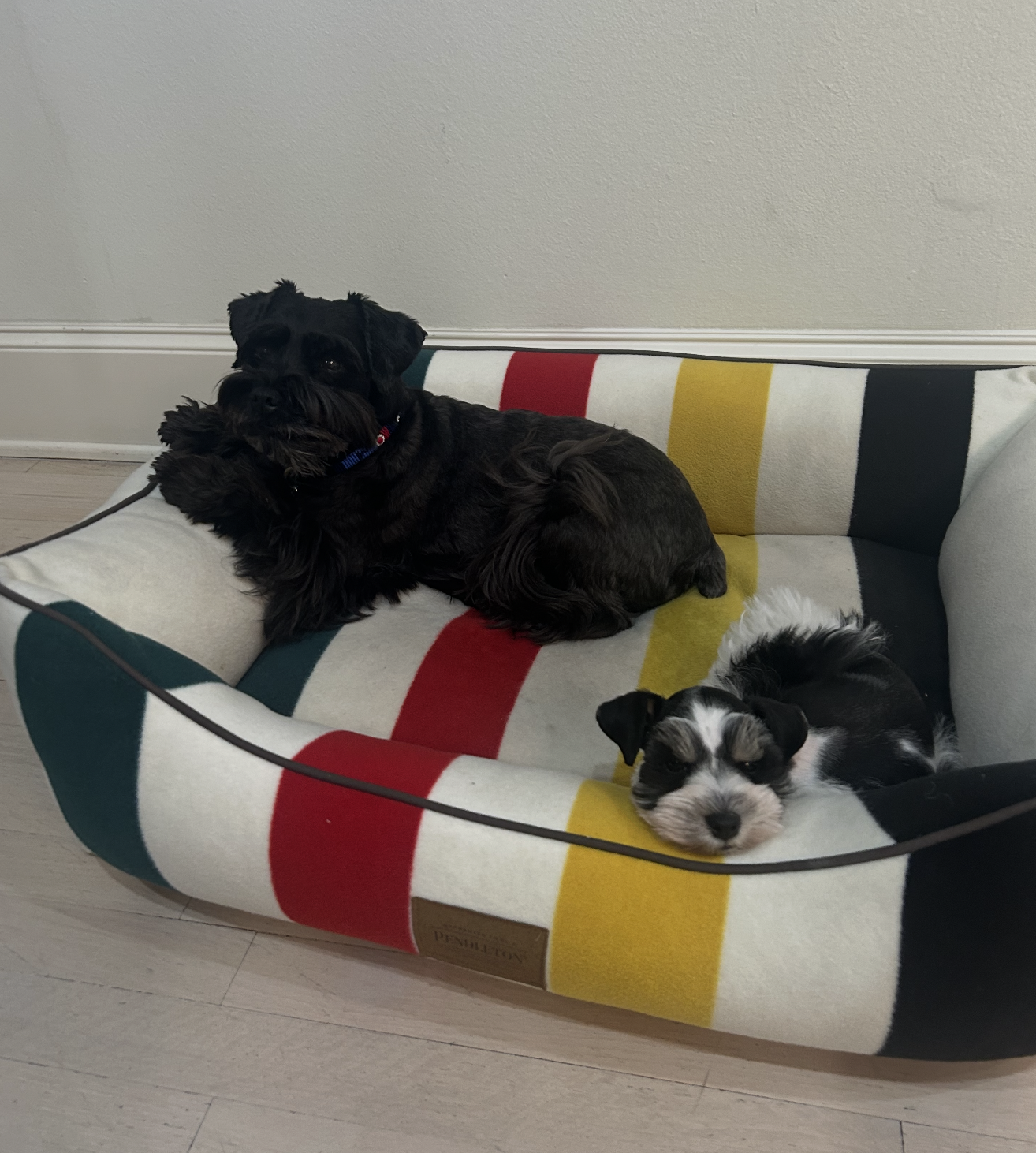
His name is Winston, and he's my other pup, Henry's, new little brother. Winston came to our family after I had to make the heartbreaking decision to let Henry’s older brother, my Coton de Tulear, King, go after his battle with large cell lymphoma.
I felt terrible for Henry. Our little Schnauzer had been such a trooper while we managed King’s GI issues – when we had to change King’s food, Henry chowed down on the strange new cuisine next to him. When King had to stop going out for walks, Henry walked even faster to get home quicker.
A week after King died, Henry spiked a 105-degree fever with no explanation. I couldn't help but wonder if it was his broken heart manifesting in the only way a dog's body knows how.
To help heal his – and my family’s – broken hearts, I called Henry’s breeder, hoping to be added to the list for a new puppy, expecting to wait months for a pupdate. Instead, it was kismet: She told me she'd had a litter the day before King died. The same pet nanny who brought Henry to me during COVID could bring Winston in a matter of weeks.
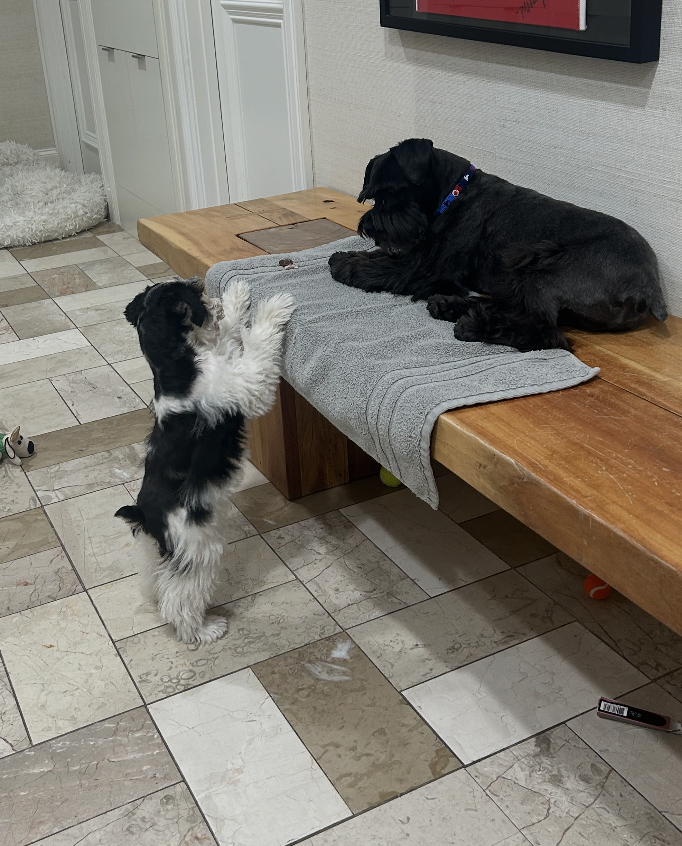
When our new four-legged friend arrived, however, Henry didn’t immediately take to his new sibling.
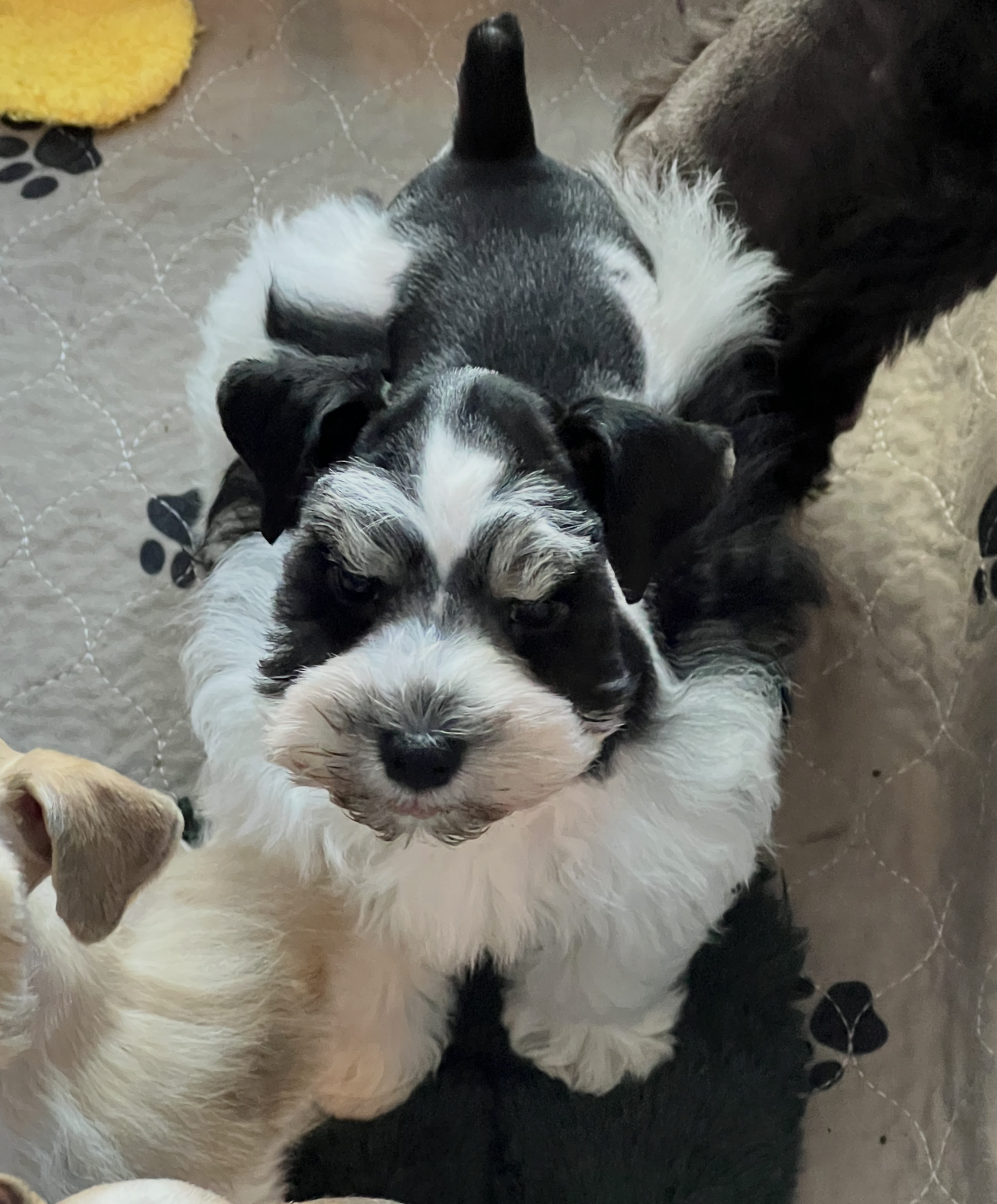
For five years, Henry never had to compete for anything. King didn't care about toys or bones or tennis balls. He was a gentle companion, happy to exist in Henry’s orbit. Winston, on the other hand, cares about everything: toys, bones, food, attention, that spot on the couch, that one particular water bowl. He's a squirming, non-stop bundle of puppy chaos who cannot sit still in anyone's arms for more than 30 seconds.
And Henry? For the first time in his life, I've heard him growl. I've seen him bare his teeth. He's met his match, and he wasn’t going to let those big feelings pass unacknowledged.
This relationship has me thinking a lot about how dogs’ lives are heavily dictated by their emotions. They have no concept of “fake it ‘til you make it” or “be cool,” or “there’s no crying in the office.” When they smell a treat, they wag their tails. When they hear something at the door, they bark. And when a member of the pack departs, they just kind of mope around. Their lives are dictated by what their canine emotions tell them to do.
Maybe that's why the adjustment has been harder than I had expected. Henry doesn’t understand the stages of grief; he’s just sad. In the meantime, Winston’s only been on this planet for a few months, and everything is new and exciting. They’re living on different ends of the emotional spectrum.
As I watch them navigate this rocky start, this unlikely duo is proving to me why, while U.S. (and, indeed, much of the world’s) birth rates have fallen, pet ownership is on the rise. With all the societal expectations put on us every day (see the Barbie monologue), it’s no wonder we’re looking to humans’ best friends to provide some much-needed emotional support. They’re a steady presence when we need a good cry. They’ll always go out in public with us, even if our hair is a mess. When we celebrate news about a promotion, they get the zoomies while we pop the champagne.
Our dogs show up for us even though we don’t always show up for ourselves, and I’m grateful to have had a whole pack of pups throughout the years that have brightened my days. With time, I’m sure Henry and Winston will learn to brighten each other’s days, too.